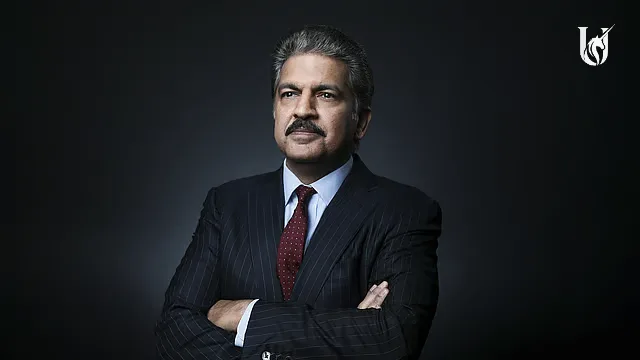
Anand Mahindra is one of India’s most recognised business leaders, but his story is not simply about inheriting a famous business name. It is about taking an established Indian company and pushing it into new industries, new markets and a new generation. Under his leadership, the Mahindra Group expanded from its traditional strengths in automobiles and agriculture into technology, aerospace, hospitality, finance and clean mobility. Today, Mahindra operates across more than 20 industries and 100+ countries, with more than 327,000 employees across the wider group.
Early Life: Growing Up Around Business
Anand Gopal Mahindra was born on May 1, 1955, in Bombay, into the Mahindra family. Business was already part of his surroundings, but his interests were much wider than factories and balance sheets. He developed a strong interest in films, art, design and culture, which later became an important part of his personality as a leader. Rather than seeing business only through numbers, he learned to look at brands, people and ideas from different angles.
Education That Shaped His Thinking
Anand studied at Harvard College and graduated with honours in 1977. He later completed his MBA from Harvard Business School in 1981. His education gave him more than management knowledge; it exposed him to new ways of thinking about markets, leadership and creativity. That combination of business education and artistic interests would later become one of the most distinctive parts of his leadership style.
The First Step Was Not the Top Job
After completing his MBA, Anand returned to India in 1981 and joined Mahindra Ugine Steel Company, commonly known as MUSCO. His first role was Executive Assistant to the Finance Director, far removed from the chairman's office. This gave him an opportunity to understand how a business actually worked from inside. He later became President and Deputy Managing Director of MUSCO in 1989.
The Turning Point Came in 1991
In 1991, Anand Mahindra became Deputy Managing Director of Mahindra & Mahindra. India was entering a new economic era, and competition was about to change dramatically. Mahindra could no longer depend only on the strengths that had made it successful in the past. Anand pushed for a more aggressive and modern approach, helping the company prepare for the newly liberalised Indian economy.
From Traditional Business to a Bigger Vision
Anand began looking beyond the company's traditional automotive and agricultural businesses. He saw that India's growth would create opportunities in services, technology, hospitality and other sectors. During his early years at MUSCO, he had already helped initiate diversification into areas such as real estate and hospitality. His larger vision was clear: Mahindra needed to become more than a vehicle manufacturer.
Building a Global Mahindra
In 1997, Anand became Managing Director of Mahindra & Mahindra and later took on the role of Vice Chairman in 2001. His leadership period saw the group pursue growth both organically and through acquisitions. Mahindra expanded its presence in areas such as IT, agriculture, aerospace, hospitality and automotive technology. In August 2012, Anand became Chairman and Chairman & Managing Director of Mahindra & Mahindra as well as Chairman of the Mahindra Group.
The Scorpio Changed the Automotive Story
Mahindra already had a strong reputation for rugged utility vehicles, but the company wanted to create something that could appeal to a new generation of Indian buyers. The Scorpio became a major symbol of that ambition. It helped change the perception of Mahindra from a maker of practical utility vehicles to a serious SUV brand. Later products such as the XUV500 and Thar strengthened that identity further.
Technology Became a Second Growth Engine
One of Anand Mahindra's biggest strategic moves was strengthening Mahindra's technology business. The acquisition of Satyam Computer Services and its transformation into Mahindra Satyam, followed by its integration with Tech Mahindra, gave the group a major presence in global IT services. This diversification reduced the group's dependence on traditional manufacturing and connected the Mahindra name with the digital economy.
Betting Early on Electric Mobility
Long before electric vehicles became a mainstream conversation in India, Mahindra had entered the space. In 2010, the group acquired Reva Electric Car Company and continued building its electric mobility capabilities. The decision carried risks because India's EV market was still very small. But it showed Anand's willingness to invest in a future that was not yet obvious to everyone.
Taking Mahindra Beyond India
Anand's global vision also came through acquisitions and international expansion. Mahindra invested in businesses such as SsangYong Motor, Pininfarina, Peugeot Motorcycles and Holiday Club Resorts, among others. These moves brought new technology, brands, skills and international markets into the Mahindra ecosystem. Not every international bet produced the desired outcome, but the strategy showed a willingness to think beyond India's borders.
Pininfarina Added Design to the Story
The acquisition of Italian design house Pininfarina was particularly important for Mahindra's global image. Pininfarina was already known around the world for its automotive design heritage. Mahindra saw an opportunity to combine Indian engineering ambitions with Italian design expertise. The group later used this platform to build Automobili Pininfarina, focused on high-performance electric luxury vehicles.
The Rise Philosophy
In 2011, Mahindra introduced the “Rise” philosophy, giving its diverse businesses a common purpose. The idea centred on accepting no limits, alternative thinking and driving positive change. It was more than a marketing slogan; it became a way to connect different businesses under one larger identity. Today, Mahindra describes its purpose around enabling communities to rise and driving positive change.
A Leader Who Talks Like a Human
Anand Mahindra became different from many traditional corporate leaders because of the way he communicates. His social media posts often mix business ideas with humour, technology, culture and stories about ordinary people doing extraordinary things. That approachable style helped him connect with younger entrepreneurs and professionals. It also gave the Mahindra brand a more human face.
Challenges Behind the Success
The journey was not without failures. Mahindra faced intense competition in automobiles, difficult international acquisitions, changing consumer preferences and the challenges of managing a large group spread across many industries. Some overseas businesses struggled and required restructuring or exits. These experiences showed that even large business groups cannot get every decision right.
Learning From Failure
One of Anand Mahindra's strongest leadership lessons is that failure does not have to define a company. What matters is whether an organisation can learn, adapt and move forward. His tenure included both successful acquisitions and difficult bets, but the larger strategy remained focused on building capabilities for the future. That long-term approach became an important part of the Mahindra story.
Brand Mahindra: More Than Automobiles
Under Anand Mahindra, the Mahindra name became much bigger than SUVs and tractors. Today, the group has interests across automobiles, farm equipment, technology, financial services, aerospace, hospitality, real estate and other businesses. This diversity has helped transform Mahindra into a global business group rather than a company known for only one product category.
Business With a Purpose
Anand Mahindra has consistently connected business growth with social impact. Through the Mahindra Foundation and initiatives such as Project Nanhi Kali, the group has supported education and social development. The wider Mahindra ecosystem also supports skills, sustainability, rural development and community programmes. For Anand, the idea of growth has always been closely linked with creating a positive impact.
Project Nanhi Kali
Project Nanhi Kali is one of the best-known social initiatives associated with the Mahindra Group. The programme focuses on supporting the education of underprivileged girls and helping them stay in school. The initiative reflects a belief that education can change not only an individual's future but also that of an entire family. It has become an important part of Mahindra's social impact story.
Awards and Recognition
Anand Mahindra's work has received recognition in India and internationally. He was awarded the Padma Bhushan in 2020 for his contribution to Trade and Industry. He has also appeared on Fortune's World's 50 Greatest Leaders list and Barron's Top 30 CEOs worldwide list. His Harvard Business School Alumni Achievement Award further recognised his leadership and contribution to business.
Anand Mahindra Net Worth & Mahindra Group Empire
Anand Mahindra has an estimated personal net worth of approximately $3.7 billion to $3.97 billion, translating to around Rs 17,000 crore to Rs 33,000 crore, depending on market movements and the source of the estimate. His wealth is closely associated with his long-standing connection with the Mahindra Group and its businesses. However, his personal wealth is only one part of the much larger Mahindra business story.
The Mahindra Group, under Anand Mahindra's leadership, has built a business empire with annual revenue estimated at around $20 billion to $21 billion. The broader Mahindra ecosystem is valued at more than Rs 3.9 lakh crore ($45+ billion) and spans 100+ companies across multiple industries. Its businesses cover automobiles, farm equipment, technology, financial services, aerospace, hospitality, real estate and clean mobility.
Anand Mahindra's personal net worth is also estimated by some sources at approximately Rs 17,000 crore, or around $2 billion to $3.4 billion, showing why net-worth figures can vary significantly depending on the valuation date and methodology. These numbers should be viewed as estimates rather than fixed amounts because listed-company share prices and private-business valuations change over time.
The Mahindra Group Today
The business Anand helped reshape is now far larger and more diversified than the group he joined in 1981. Mahindra currently describes itself as operating across 20+ industries and 100+ countries, with more than 327,000 employees. The group continues to focus on areas such as automobiles, farm equipment, technology, clean energy and aerospace.
Why Anand Mahindra's Story Matters
Anand Mahindra's story is not simply about being born into a successful business family. His contribution lies in how he used an existing platform and pushed it toward new opportunities. He entered the business at a working level, witnessed India's economic transformation and then helped build a more global and diversified Mahindra. His journey shows that leadership is not only about protecting what already works; it is also about knowing when to change.
Key Lessons From Anand Mahindra
Think beyond the present: A successful business cannot depend forever on what worked yesterday.
Take calculated risks: Reva, technology, global acquisitions and new industries involved uncertainty, but they also opened new possibilities.
Build a strong brand: Products matter, but purpose and identity can make a company memorable.
Stay curious: Anand's interest in technology, design, culture and people shaped the way he looked at business.
Accept failure: Not every investment will succeed. The ability to learn and adapt is more important than having a perfect record.
Create value beyond profit: A strong business can also contribute to education, communities, sustainability and society.
Anand Mahindra's Legacy
Anand Mahindra's greatest achievement may not be a single vehicle, acquisition or financial milestone. It is the transformation of the Mahindra identity itself. He helped take a traditional Indian industrial group and build a diversified organisation with a global outlook. From SUVs and tractors to technology, aerospace and electric mobility, the story is ultimately about one idea: never stop rising.
Conclusion: The Man Behind Brand Mahindra
Anand Mahindra's journey proves that a legacy business can reinvent itself without losing its roots. He combined business discipline with curiosity, creativity and a willingness to take risks. Some bets worked brilliantly, while others became lessons, but the larger vision continued to move forward. That is what makes his story inspiring, not simply the size of the Mahindra Group, but the belief that a business should keep evolving, create opportunities and leave a positive mark on society.