From Ahmedabad to a Bigger Dream
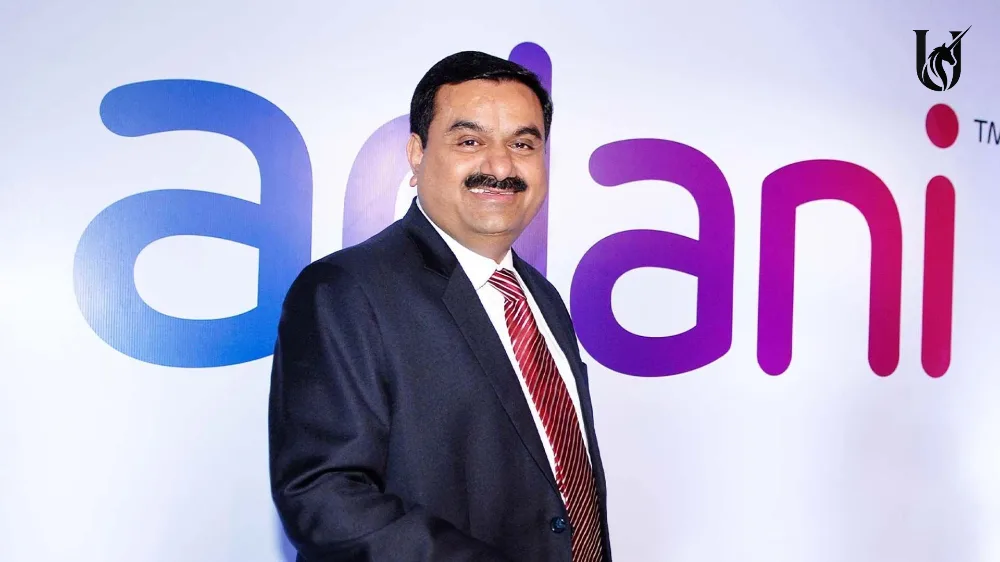
Gautam Adani was born on June 24, 1962, in Ahmedabad, Gujarat, into a modest family with eight children. His family lived a simple life, but Adani developed a strong desire to build something of his own. He joined Gujarat University to study commerce but left college before completing his degree. Instead of following a traditional career path, he chose to learn business by stepping directly into the real world.
The Diamond Sorter in Mumbai
At just 16, Adani moved to Mumbai and began working as a diamond sorter. The job may have looked small, but it introduced him to the fast-moving world of trading and taught him how to identify value quickly. After a few years, he returned to Ahmedabad and joined his elder brother’s plastics business. His work with PVC imports gave him his first real exposure to international trade.
The Beginning of Adani Group
In 1988, Adani started his own trading business, which later became the foundation of the Adani Group. He began with commodities and gradually built relationships across domestic and international markets. There was no large empire at the beginning, just a young entrepreneur willing to take risks and learn from every deal. His early vision was simple: build businesses around areas that India would need for decades.
The Mundra Port Bet
The biggest turning point came when Adani entered infrastructure and won the opportunity to develop Mundra Port in Gujarat. What looked like a risky bet on an undeveloped location eventually became one of the strongest assets of his business empire. Mundra grew into a major commercial port and transformed Adani from a trader into an infrastructure entrepreneur. It also gave the group a powerful entry into logistics and global trade.
From Ports to Power
Adani understood that controlling one part of a supply chain could create opportunities in another. From ports and logistics, the group expanded into coal, power generation and energy infrastructure. Adani Power was established in 2006 and became a major private-sector power producer in India. The strategy was clear, build businesses that could work together rather than operate as isolated companies.
The Rise of Renewable Energy
As India’s energy needs changed, Adani began placing a bigger bet on renewable energy. Adani Green Energy emerged as a major part of this strategy, with investments in large-scale solar and wind projects. The group wanted to move beyond traditional energy and participate in India’s transition toward cleaner power. This shift turned renewable energy into one of the most important pillars of the Adani empire.
Building Beyond Energy
The Adani Group continued expanding into airports, logistics, defence and aerospace, digital infrastructure, agribusiness and other strategic sectors. The common thread was infrastructure, businesses connected to India’s long-term economic growth. Airports and ports strengthened the group's transport network, while defence and digital infrastructure opened doors to newer opportunities. Adani’s approach was to build at a scale that could serve a rapidly growing India.
A Business Built on Integration
One of Adani’s biggest strengths has been vertical integration. The group has built businesses across different stages of supply chains, from resources and transportation to power and distribution. This model can reduce dependence on outside suppliers while giving the group greater control over operations. It also helped Adani turn individual businesses into parts of a much larger ecosystem.
The Crisis That Tested Everything
In January 2023, the Adani Group faced one of the biggest challenges in its history after Hindenburg Research published allegations against the group. The allegations triggered a huge fall in the market value of several Adani companies and sharply reduced Gautam Adani’s personal wealth. Adani Group rejected the allegations and defended its governance and business practices. The episode became a defining test of the group’s financial strength, reputation and ability to recover.
Resilience After the Storm
The crisis forced the group to respond quickly and rebuild investor confidence. Adani and his companies focused on debt management, fundraising, business performance and strengthening their position in core infrastructure sectors. The journey showed that building a large business is not only about rapid growth, it is also about surviving periods when confidence disappears. For Adani, resilience became as important as expansion.
The Family Behind the Empire
Gautam Adani’s family has also become part of the group’s long-term succession plans. His wife, Priti Adani, leads the Adani Foundation, which works across education, healthcare, livelihoods and community development. His sons, Karan Adani and Jeet Adani, are involved in different parts of the business. The next chapter of the group is therefore being prepared as a family-led transition rather than depending on one individual alone.
Giving Back Through the Adani Foundation
Business growth has been accompanied by a major focus on social development through the Adani Foundation. Its work includes education, healthcare, sustainable livelihoods and community infrastructure. Initiatives such as Adani Vidya Mandir aim to provide quality education to children from underserved communities. The broader goal is to connect economic development with opportunities for people living around the group’s projects.
Vision for the Future
Adani’s future strategy is closely linked to sectors that could shape India over the next few decades. Renewable energy, green hydrogen, battery storage, airports, ports, logistics and digital infrastructure remain important areas of focus. The group is also looking at technologies such as artificial intelligence and automation to improve large-scale operations. The larger vision is to build infrastructure that supports India’s growing economy.
Gautam Adani’s Net Worth
Gautam Adani’s wealth has changed dramatically with movements in the stock market and the performance of Adani Group companies. The figure cited in the material provided is around $89 billion, placing him among the world’s wealthiest individuals. His rise in wealth reflects the enormous scale of the businesses he built, particularly across infrastructure and energy. However, his journey also shows how quickly billionaire fortunes can rise and fall with market conditions.
More Than a Net Worth
The most interesting part of Gautam Adani’s story is not the final wealth figure. It is the distance between where he started and what he eventually built. From sorting diamonds in Mumbai to developing ports, airports, power projects and renewable-energy assets, his journey was built through one large bet after another. Some worked, some brought serious challenges, but he continued moving forward.
Lessons From the Adani Journey
Adani’s story offers a simple lesson: success rarely comes from one perfect decision. It comes from understanding opportunities, taking calculated risks and having the courage to keep going when things do not work out. His journey also shows the value of thinking long term and building businesses around real economic needs. Most importantly, resilience can sometimes become a greater advantage than money or resources.
The Legacy of Gautam Adani
Gautam Adani’s story remains one of the most remarkable entrepreneurial journeys in modern India. He started with limited resources, entered trading, took a bold bet on Mundra and gradually built a diversified infrastructure empire. His career has brought enormous success as well as intense scrutiny and controversy. Whatever the final chapter looks like, his journey has already changed the way India looks at scale, infrastructure and entrepreneurial ambition.